

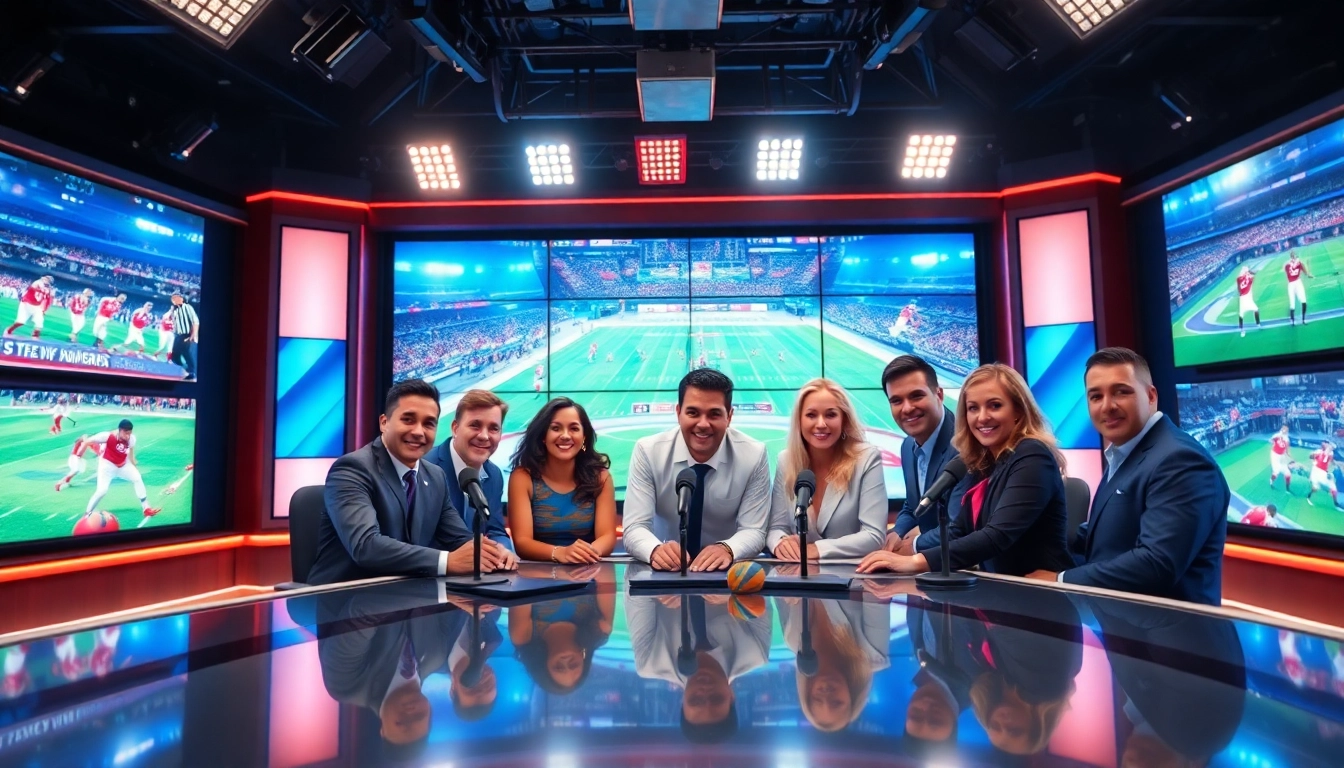
Understanding Sports Broadcasting
The Basics of Sports Broadcasting
Sports broadcasting plays a pivotal role in bringing live sporting events to audiences worldwide. It encompasses the transmission of sports content via television, radio, or online streaming platforms. The industry involves a complex interplay of production techniques, commentary, and audience engagement strategies. In recent years, the evolution of Sports Broadcasting has reshaped how fans consume their favorite sports, making the viewer experience richer and more interactive.
Key Roles in Sports Broadcasting
The ecosystem of sports broadcasting is filled with diverse roles that contribute to delivering a seamless viewing experience. Some of the key roles include:
- Producers: They oversee the production process, ensuring that the broadcast runs smoothly and meets the quality standards expected by the audience.
- Commentators: These individuals provide live commentary, offering insights and engaging narratives that enhance viewer enjoyment.
- Cameramen: Responsible for capturing the action from various angles, their work is essential in conveying the excitement of sporting events.
- Editors: They play a critical role in post-production, selecting highlights and crafting a narrative that captivates viewers.
- Social Media Managers: By connecting with audiences on social media platforms, they help broaden the reach of broadcast content.
The Importance of Audience Engagement
Engagement is crucial in the realm of sports broadcasting. Viewers are no longer passive consumers; they seek interactivity and connection. Strategies such as live polls, social media integrations, and user-generated content can enhance audience involvement. Engaging fans not only keeps them tuned in but also fosters a sense of community, increasing loyalty to the broadcast team and the events being covered.
Technological Innovations in Sports Broadcasting
The Role of Live Streaming
Live streaming has revolutionized how sports events are broadcasted. Fans can now watch events anytime and anywhere, breaking geographical barriers. Platforms that support high-definition streams allow for a richer viewing experience. Furthermore, live streaming enables broadcasters to reach a younger demographic that prefers digital content over traditional broadcast methods.
Advancements in Broadcast Equipment
Modern sports broadcasting relies on advanced technology to deliver high-quality content. Innovations such as 4K video, drone cameras, and automatic camera tracking systems enhance the viewer experience. These advancements allow for better framing of the action, clearer visuals, and more dynamic coverage of events. Continual upgrades to equipment are essential as viewers’ expectations evolve.
Social Media Integration
Social media has become an integral part of the sports broadcasting landscape. Platforms like Twitter, Instagram, and Facebook serve not only as venues for promoting content but also as channels for real-time interaction between fans and broadcasters. Live tweets, behind-the-scenes content, and interactive discussions can amplify the excitement surrounding live events and deepen viewer connections.
Challenges Faced in Sports Broadcasting
Managing Live Events
One of the key challenges in sports broadcasting is the management of logistics and resources during live events. Real-time issues such as changes in scheduling, technical difficulties, or weather disruptions can impact coverage quality. Effective communication and planning are essential to mitigate these risks and ensure that the audience receives uninterrupted content.
Dealing with Broadcast Regulations
Broadcast regulations vary significantly across regions and countries, posing challenges for broadcasters who wish to operate internationally. Understanding licensing agreements, content restrictions, and advertising regulations is imperative. Compliance is crucial to avoid legal penalties that can jeopardize broadcasting rights and company credibility.
Maintaining Quality and Consistency
The expectation for high-quality broadcasts is relentless. Maintaining a consistent standard involves regular updates and training for team members, along with a commitment to employing the latest technologies. This continuous improvement ensures that audiences remain satisfied and engaged.
Best Practices for Effective Sports Broadcasting
Crafting Compelling Commentaries
Commentary can greatly influence viewer enjoyment. Broadcasters should aim to balance informative insights with engaging storytelling. Utilizing humor or personal anecdotes can resonate well with audiences, making the broadcast more relatable and enjoyable. Tailoring commentary to the audience’s level of expertise enhances the overall experience.
Utilizing Analytics for Improvement
Data analytics tools provide broadcasters with insights into viewer behavior, preferences, and content performance. By analyzing metrics like viewer retention rates, peak viewing times, and audience demographics, broadcasters can adapt their strategies to better meet audience expectations and enhance engagement.
Building a Community Around Sports Content
Creating a community around sports content fosters long-term viewer loyalty. Utilizing platforms for regular interactions—such as fan forums, Q&A sessions, and social media campaigns—encourages viewers to feel involved. Building a rapport with the audience makes the experience more personal, resulting in a more dedicated viewer base.
Future Trends in Sports Broadcasting
The Rise of Augmented Reality
Augmented reality (AR) is set to transform sports broadcasting by providing interactive experiences that enhance viewer engagement. By overlaying digital elements onto live broadcasts, broadcasters can deliver enhanced stats, graphics, and interactive features that make the viewing experience more immersive.
Enhancing Viewer Experience
Future advancements will focus heavily on personalized experiences. The integration of AI algorithms can tailor content to individual preferences, recommending games and highlights based on past viewing habits. Enhancing the quality of user interaction promises to make sporting events more engaging than ever.
Global Trends in Sports Broadcasting
As the landscape of sports broadcasting evolves, global trends indicate a shift toward more localized content. Broadcasters are increasingly focusing on regional sports, catering to localized audiences while still offering international content. This trend allows for the cultivation of niche communities that are passionate about their local teams and events.
Frequently Asked Questions
What is sports broadcasting?
Sports broadcasting involves the live transmission of sports events through various platforms, including television, radio, and online streaming services.
How has technology impacted sports broadcasting?
Technology has transformed sports broadcasting by enhancing image quality, introducing live streaming, and integrating social media features for real-time interaction with viewers.
What roles are crucial in sports broadcasting?
Key roles include producers, commentators, cameramen, editors, and social media managers, all essential for delivering a polished broadcast experience.
What challenges do sports broadcasters face?
Challenges include managing live event logistics, navigating broadcast regulations, and maintaining quality and consistency in coverage.
What trends are shaping the future of sports broadcasting?
Future trends include augmented reality enhancements, personalized viewing experiences, and a focus on localized content to cater to specific audiences.