

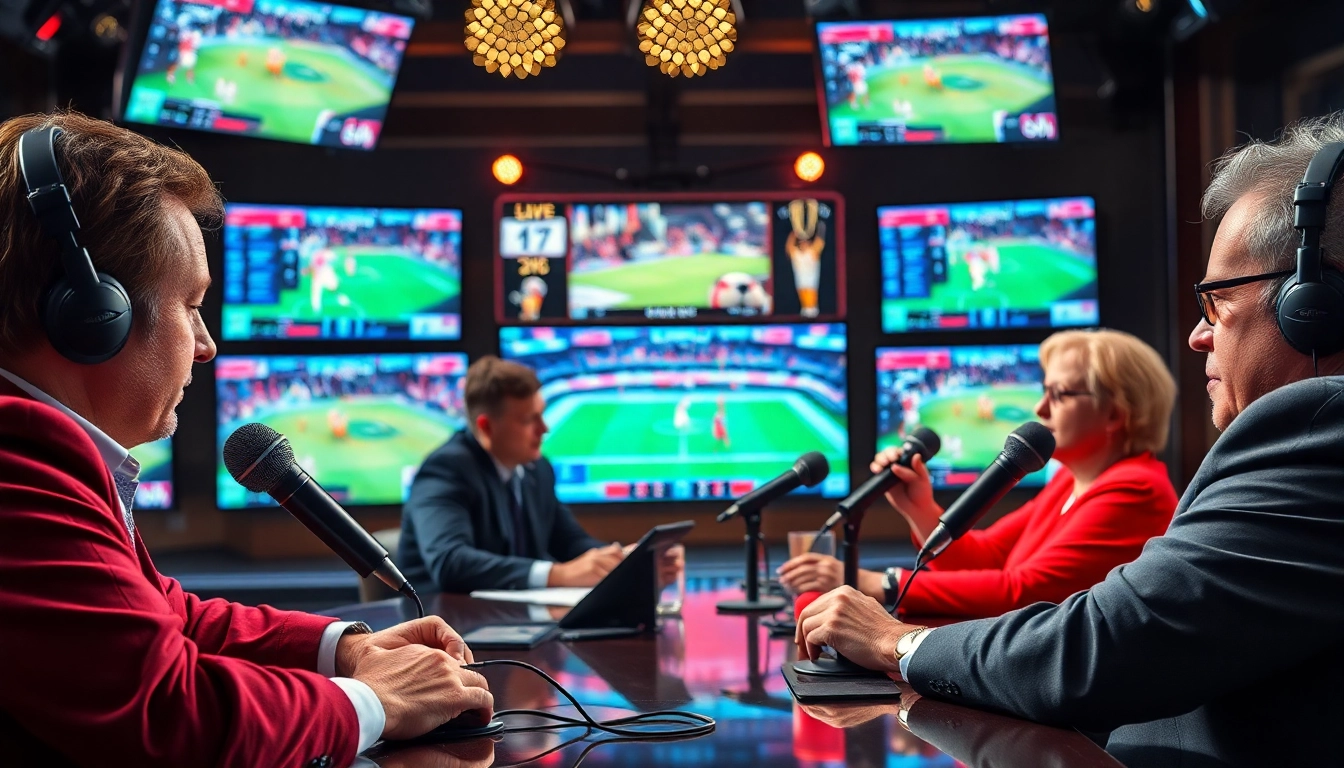
Understanding Sports Broadcasting
What is Sports Broadcasting?
Sports broadcasting encompasses the televised or streamed transmission of sporting events, complemented by commentary, analysis, and audience engagement. It allows fans to experience live events through visual storytelling, making it an integral part of the sports culture. In today’s digital age, the medium has expanded from traditional television to various platforms, including online streaming services, making Sports Broadcasting more accessible than ever.
The Evolution of Sports Broadcasting
Over the decades, sports broadcasting has undergone significant transformations beginning in the early days of radio broadcasts. The 1950s saw the advent of television where companies like CBS and NBC pioneered sports coverage. This era introduced iconic shows that brought events to life, captivating audiences. As cable television emerged, channels dedicated solely to sports, like ESPN, revolutionized how sports were consumed. Today, the evolution continues with the rise of mobile apps and streaming services that allow fans to watch from almost anywhere.
Key Components of Sports Broadcasting
Key components of sports broadcasting include live event coverage, pre-and post-game analysis, commentary, and audience interaction. Each element plays a crucial role in providing viewers with a comprehensive experience. Live coverage ensures that fans don’t miss critical moments, while commentary adds depth and context. Analysts provide insights that enrich the viewing experience, while social media platforms create avenues for audience engagement through instant feedback and interaction.
Techniques in Sports Broadcasting
Effective Commentary Skills
Commentary is at the heart of sports broadcasting, where the commentator’s role is to enhance the viewer’s experience. Effective commentary requires a deep understanding of the sport, the players, and the strategies involved. Commentators must balance technical insights with entertainment value, adjusting their style to match the event’s tone. Utilizing humor, storytelling, and vivid descriptions can keep audiences engaged and entertained while simultaneously informing them about ongoing developments in the game.
Utilizing Technology in Broadcast
Technology plays a transformative role in sports broadcasting. High-definition cameras, drones, and multiple angle captures immerse viewers in the experience. Innovations like augmented reality (AR) and virtual reality (VR) are becoming more prevalent, allowing fans to see games from new perspectives. Additionally, lower-thirds graphics and instant replay systems highlight critical moments, making broadcasts more engaging and informative.
Engaging the Audience
Audience engagement is essential in modern sports broadcasting. Broadcasters are utilizing interactive polls, live chats, and social media integration to create a dialogue with viewers. This two-way communication fosters community, increases viewership, and allows networks to adapt content to audience preferences. Engaging storytelling—through behind-the-scenes segments or player interviews—humanizes athletes, enriching the fan experience.
Trends Shaping Sports Broadcasting
The Rise of Streaming Services
The shift to digital has ushered in a new era where streaming services dominate sports broadcasting. Platforms like Amazon Prime Video, Hulu, and specialized sports networks offer flexibility, allowing viewers to watch live events on their terms. This trend has led to more competitive pricing structures, enabling fans to choose between cable packages and tailor their subscriptions based on personal preferences and viewing habits.
Integration of Social Media
Social media has become an indispensable tool in sports broadcasting. Platforms like Twitter, Instagram, and TikTok facilitate rapid dissemination of information and highlight reels, enticing viewers and recapturing their attention. Broadcasters use social media for promotional strategies, event engagement, and direct communication, making it essential to reach target audiences and boost brand loyalty.
Innovations in Viewer Interaction
As audience expectations grow, innovations in viewer interaction are becoming crucial. Features such as live chat, virtual watch parties, and interactive dashboards fulfill the demand for personalized viewing experiences. Additionally, the use of data analytics helps networks understand viewer preferences better, allowing them to craft tailored content that keeps audiences engaged over time.
Challenges in Sports Broadcasting
Balancing Accuracy and Entertainment
One of the primary challenges in sports broadcasting is maintaining a balance between delivering accurate information and providing entertainment. Commentators must possess both extensive knowledge of the sport and the ability to engage viewers without compromising factual accuracy. The pressure to entertain often leads to sensationalized coverage, which can detract from informative insights.
Navigating Rights and Regulations
Navigating broadcasting rights can pose challenges, especially with the increasing complexity of digital media agreements. Rights holders often negotiate exclusive agreements, limiting who can broadcast specific events. Promoters and media companies must stay informed about regulations, ensuring they comply while also finding ways to innovate within these constraints. Understanding regional rights is crucial, especially for leagues with global fanbases.
Handling Live Broadcast Emergencies
Live broadcasts are susceptible to unexpected occurrences such as technical failures, weather disruptions, or on-field incidents. Teams, broadcasters, and individuals must have contingency plans in place. Crisis management training for personnel, coupled with real-time problem-solving protocols, enables teams to minimize disruptions and maintain viewer engagement even in challenging circumstances.
Measuring Success in Sports Broadcasting
Key Performance Indicators
Measuring success in sports broadcasting involves tracking key performance indicators (KPIs). Metrics such as viewership ratings, demographic insights, and advertising effectiveness provide crucial insights into audience engagement and the overall impact of broadcasting strategies. Understanding these indicators helps broadcasters refine their approach and resonate more with audiences.
Audience Engagement Metrics
Engagement metrics such as time spent watching, social media interactions, and viewer retention rates are critical to assessing a broadcast’s success. Monitoring these metrics allows networks to identify trends and viewer preferences while informing content adjustments that enhance viewer satisfaction—leading to increased loyalty and advertising revenue.
Future Trends to Watch
The future of sports broadcasting will likely see a continued emphasis on personalized content delivery and interactivity. Advancements in AI and machine learning may enable broadcasters to analyze viewer preferences in real-time, adapting on-screen graphics and commentary accordingly. As viewer habits evolve, flexibility and innovation will be key to maintaining relevance in an increasingly competitive landscape.
Frequently Asked Questions
What is the difference between sports broadcasting and sports journalism?
Sports broadcasting focuses on the real-time transmission of live sporting events, complete with commentary, while sports journalism involves reporting and analysis of sports news, stories, and events, often in written or recorded formats.
How has technology changed sports broadcasting?
Technology has transformed sports broadcasting through improvements in video quality, multi-angle coverage, and interactive features such as viewer engagement tools, enhancing the overall viewing experience.
What skills are essential for a sports broadcaster?
Essential skills for sports broadcasters include strong communication abilities, in-depth sports knowledge, effective storytelling, and adaptability to swiftly communicate unexpected changes during live events.
How do streaming services impact traditional sports broadcasting?
Streaming services provide viewers with more choices and flexibility, compelling traditional broadcasters to adapt their strategies and offerings to retain audience interest and subscription revenue.
What are the future trends in sports broadcasting?
Future trends may include greater interactivity, personalization of content, and the integration of advanced technologies like AI and VR, making broadcasts more engaging and tailored to individual viewer preferences.